




Okay, so check this out—card wallets feel different. Whoa! They slip into a wallet like a credit card, yet they guard private keys the way a vault would. Initially I thought tiny devices were all gimmick, but users kept saying the same thing: convenience without giving up core security. On one hand they’re elegant; on the other hand they force you to reconsider backups and loss scenarios.
Seriously? Tap-to-sign sounds almost too easy. Hmm… it really is that simple with NFC-compatible phones. Short of physically taking your card away, the private key never leaves the secure chip. That means no clipboard theft and no accidental key exports. But, of course, that convenience trades off some flexibility—more on that in a bit.
Here’s what bugs me about some marketing though. They promise “bank-grade security” like it’s a sticker. Really? Security is layered, and form factor is only one layer. You want hardware roots of trust, audited secure elements, and transparent recovery options. You also want supply-chain assurances—because if someone tampers with the card before you get it, that’s a whole different problem.
Tap. Sign. Done. Those three steps describe most NFC card wallets in practice. Wow! The experience lowers the activation barrier, especially for folks who find tiny dongles fiddly. Many people who don’t want another device on their keyring end up liking cards a lot. There’s a strong ergonomic argument here.
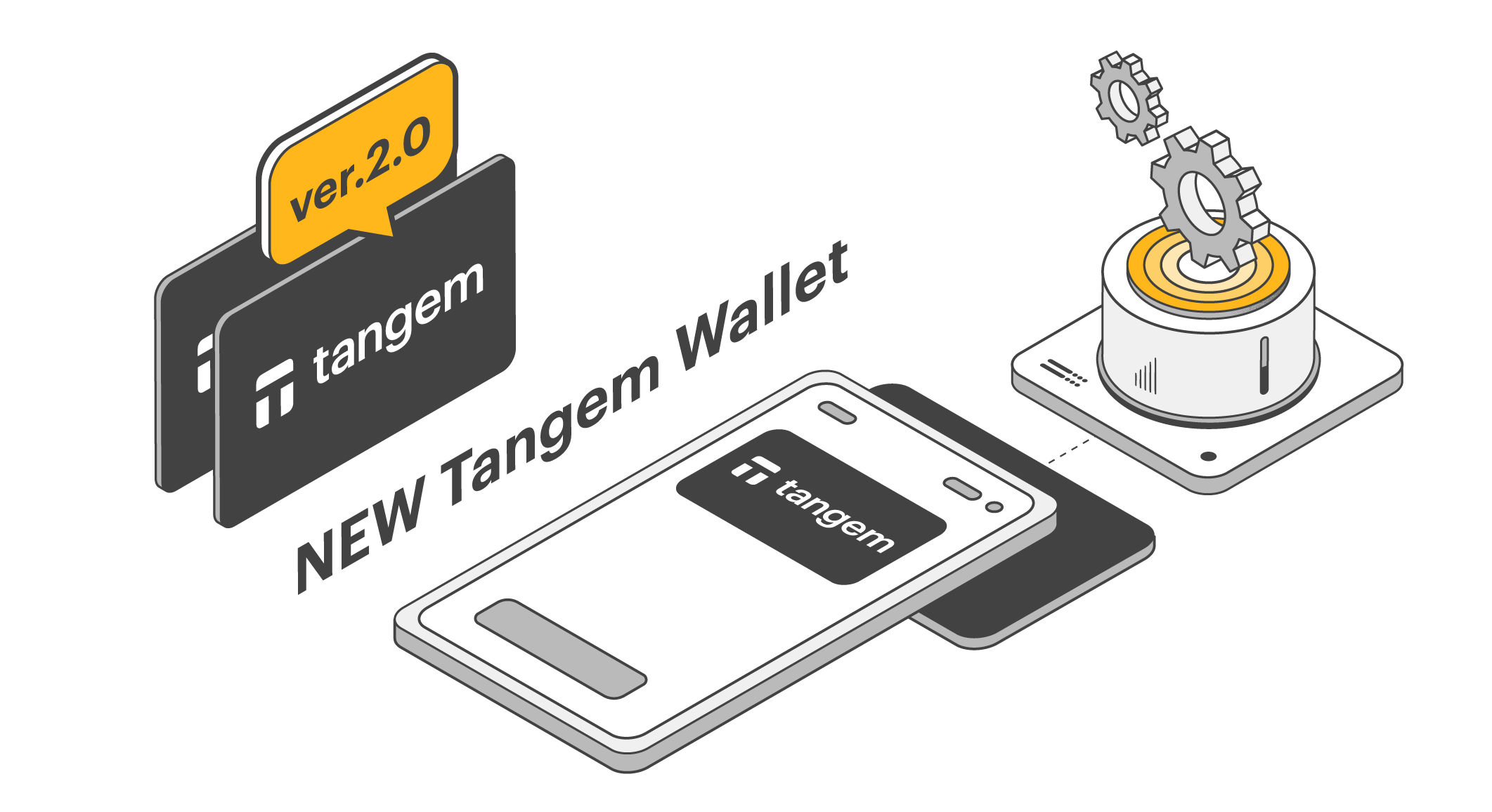
How card-based NFC wallets work (without the scary jargon)
Short version: the card contains a secure element that generates and stores your private key. Seriously? Yes—when a transaction needs signing, your phone sends the transaction to the card over NFC. The card signs it internally and returns only the signed transaction, never the raw private key. This is the basic advantage—keys are non-exportable and isolated from the phone’s OS.
Initially I thought that made backups harder. Actually, wait—let me rephrase that: it complicates traditional seed backups, though there are practical workarounds. Some vendors offer multi-card setups or integrated backup schemes; others pair with Shamir-like schemes or let you mint multiple identical cards at key creation time. On the plus side, losing one physical card does not always mean losing funds—if you planned for it.
Look—there are different flavors of card wallets. Some are single-use style (you get one card and that’s that). Others let you pair multiple cards to the same key or use on-device mechanisms for recovery. The choice affects your backup strategy and risk model. If you like redundancy, make sure the provider supports it.
Here’s a practical tip for US users who travel a lot. Keep one backup card in a separate location—safe deposit box, trusted relative, or other secure place. Hmm… that feels old-school, but it works. Redundancy beats regret. Also, test your recovery plan before you need it—don’t leave things to chance.
Threats and trade-offs
Okay—let’s be clear about threat models. If an attacker can physically coerce you, no wallet format is perfect. Whoa! Some people like to assume perfect secrecy, but reality tends to be messier. Cards reduce remote software attack surface, but physical attacks and supply-chain compromises remain plausible concerns.
On one hand, NFC limits exposure because it requires proximity, and modern secure elements resist side-channel and extraction attempts. On the other hand, a determined adversary with lab resources might try to break the chip. For most everyday users, that risk is tiny. For high-value holders, layering protections—multi-sig across devices and geographic separation—makes sense.
Another trade-off: interoperability. Not every wallet app supports every card. Compatibility varies by blockchain, by mobile OS, and by the wallet app ecosystem. That’s why you want to vet the card with the specific coins and apps you plan to use. Check firmware update paths too—updates should be signed and auditable, not opaque.
Here’s the thing. Convenience often pushes people toward custodial or hot solutions. Card wallets provide a middle ground: more security than a hot wallet, more convenience than a seed-only air-gapped setup. I’m biased, but that balance is appealing for many users who want both usability and non-custodial ownership.
Practical checklist before you buy
Ask these questions. Does the card keep keys non-exportable? Is there a documented recovery process? What blockchains does it support? How does the vendor handle firmware signing and supply-chain integrity? Are there third-party audits or independent reviews? If the vendor can’t answer these, move on.
Also consider build quality. A card that bends, corrodes, or breaks in your wallet is a problem. Look for durable laminate and a clear warranty. Think about wallet ergonomics too—how does it pair with your phone? How often will you need to tap the card for routine transactions? Those small frictions add up.
Check community feedback and independent write-ups. Hmm… forums and local meetups often surface edge-case issues faster than marketing materials. User reports are especially valuable for compatibility quirks and practical failure modes.
For a concrete starting point, many folks exploring card wallets begin with well-known providers and then branch out. If you want to read up on one popular card solution and how it approaches NFC-based signing, see this resource: https://sites.google.com/cryptowalletextensionus.com/tangem-wallet/
FAQ
Q: What happens if I lose my card?
A: It depends. If you only have one card and no backup, recovery can be impossible. If you prepared a backup card or used a supported recovery method, you can regain access. Best practice: create redundancy at setup and test it. Seriously—test it.
Q: Can a card be cloned?
A: Not if the card uses a proper secure element with non-exportable keys and strong anti-cloning protections. Cloning attempts would require breaking hardware protections—expensive and complex. For most users this is not a realistic everyday threat.
Q: Are card wallets easier for beginners?
A: Generally yes. The UX is similar to contactless payments: tap and approve. That lowers the learning curve. But beginners must still understand backups and loss risk. Education matters. Don’t skip it.
Alright—so where does that leave you? If you want portability, simple UX, and a strong isolation for private keys, card-based NFC wallets are a very compelling choice. They aren’t perfect. They require thought about backups and vendor trust. But for many people they strike a practical balance between safety and day-to-day usability.
I’ll be honest—there’s a certain satisfaction in leaving your keys in a thin card that fits your wallet. It feels tidy. It also nudges you to plan properly, which is a good thing. Somethin’ about that mix of design and security just clicks for a lot of users. Go try one, cautiously, and see if it changes how you interact with crypto.